Utah isn’t one market. Salt Lake County, Utah County, Wasatch County, and Summit County each function differently when it comes to cost, permitting, and what daily life actually looks like once you’re there. Someone weighing Sandy against Park City is comparing two different financial realities, not two flavors of the same suburb.
That distinction gets lost in most rankings, which lump the whole state together and hand you a list of city names with a few adjectives attached. Rankings like that are a starting point at best.
This guide breaks Utah down by county, covers what separates one area from another on cost, schools, and job access, and includes a section most guides skip: what to think about if a move to a new area might eventually turn into building a home there instead of buying one that already exists.
Salt Lake County
Salt Lake County is where most people start, and for good reason. It has the largest job market in the state, with strength in tech, healthcare, and finance. The Silicon Slopes corridor runs south from downtown Salt Lake through the valley, and companies from established names to early-stage startups have offices along that stretch. That mix of jobs and urban amenities is also a big reason people relocate here from other states.
Housing costs here run higher than most of the state. Median home prices sit above $500,000 in the city itself, and suburbs like Sandy push into the $650,000 to $750,000 range for a single-family home. They are not cheap, but they still compare well with Seattle for buyers who want an urban Utah option. That’s a real number to plan around, not a rough guess.
Schools vary a lot by district and even by neighborhood. Canyons School District, which covers Sandy and parts of the southeast valley, has a strong reputation. Salt Lake City School District is more mixed, and families here tend to research specific zip codes rather than judge the district as a whole. Crime also varies block by block, and areas like Sugar House are often favored for a more stable feel, while South Salt Lake has a weaker safety reputation by comparison.
What Salt Lake County offers that’s hard to match elsewhere is proximity. Big Cottonwood Canyon and Little Cottonwood Canyon are a short drive from most valley neighborhoods, putting Alta, Snowbird, Brighton, and Solitude nearby as ski resorts on a weekday afternoon, with canyon trails and valley parks supporting year-round outdoor recreation. For buyers who want a real city with real mountain access, this is the county that delivers both.
Utah County
Utah County has become the state’s growth engine over the past decade. Provo and Orem anchor the south end, with Lehi and American Fork forming the northern half of the Silicon Slopes tech corridor. Companies like Qualtrics and Vivint have deep roots here, and Lehi’s job growth rate is currently 2.6%, with tech and software hiring staying steady rather than a short-term spike.
Housing is more accessible than Salt Lake County, and Provo’s housing costs are more manageable than Salt Lake City, though prices have climbed. Orem in particular draws families and young professionals who want suburban stability without Salt Lake County’s price tag, and it was named one of the healthiest places to live in America. Alpine School District, which serves much of Orem and the surrounding area, consistently ranks among the strongest in the state.
Provo brings a different energy thanks to Brigham Young University. The city skews younger, the culture is family-oriented, and public schools in Provo City School District are solid. Utah Valley University adds a second higher education anchor, and Provo Canyon gives residents quick access to Sundance Resort and the Uinta range.
The commute between Provo, Orem, and the Lehi tech corridor is manageable, especially for tech workers who want access to Silicon Slopes jobs. Few places in the state offer that combination of job access and relative affordability.
Wasatch, Summit County, and Park City
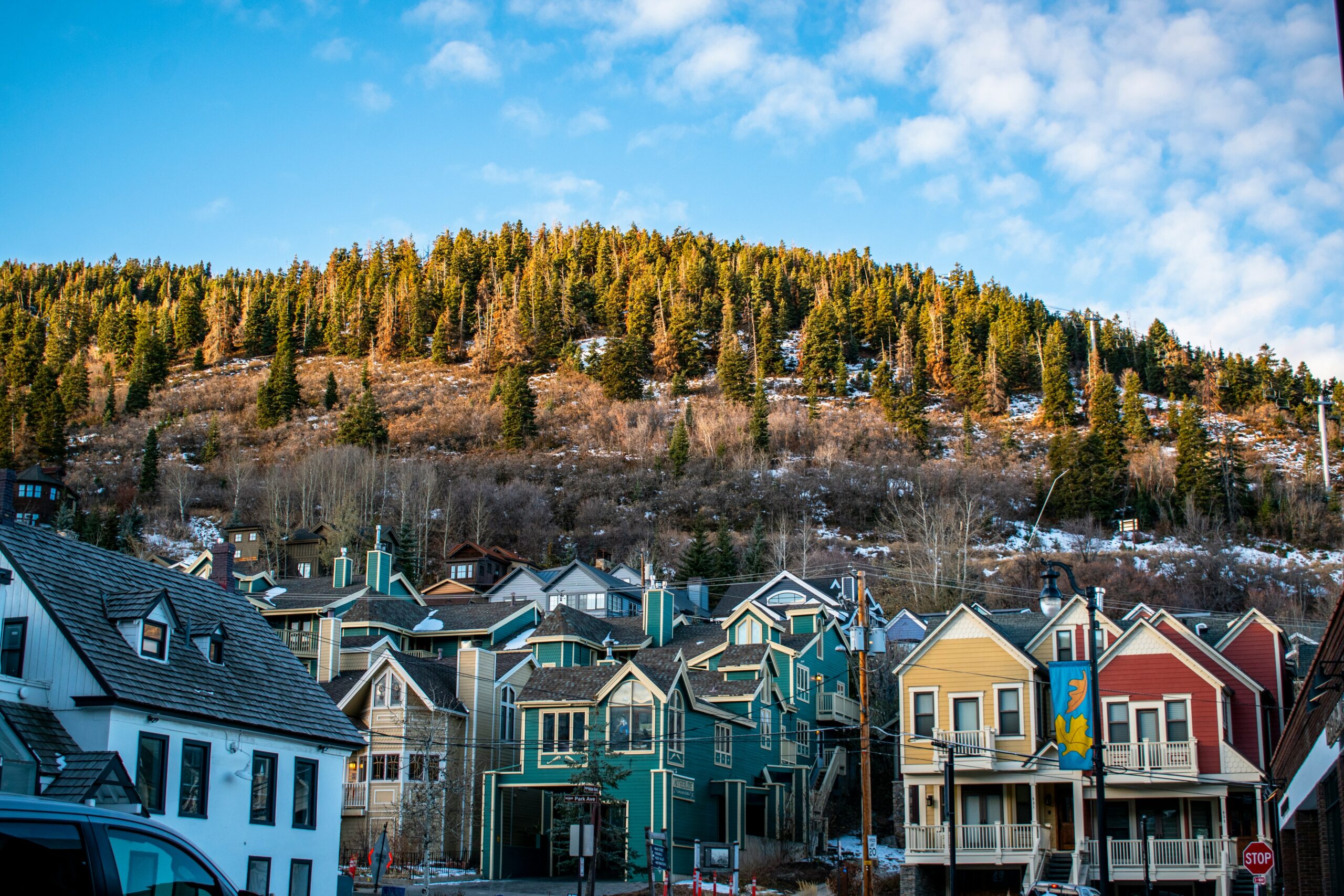
Park City sits in Summit County, about thirty miles east of Salt Lake City, and it operates on a different scale than the rest of the state. The median home price is well above a million dollars. If budget is the main filter, Park City will stretch most people thin.
The draw is obvious once you spend time there. Park City Mountain and Deer Valley offer some of the best skiing in the country, and life here is especially appealing for people who prioritize the outdoors, with hiking as much a part of the lifestyle as winter sports. The Sundance Film Festival brings a global audience every January, the historic Main Street stays walkable and active year-round, and few mountain settings can beat the mix of access, resort amenities, and scenery. Public schools in Park City consistently earn strong rankings.
Wasatch County, just south of Summit, includes Heber City and Midway. Prices run lower than Park City proper but still sit well above the state average, driven by the same mountain access and limited buildable land. Site conditions in this part of the state, including the slope, soil, and access, tend to affect cost more than they do on the valley floor. Building here typically runs 15 to 20% higher per square foot than Utah County once site work and permitting timelines are factored in. That’s worth knowing if a move here eventually turns into a building project rather than a purchase.
St. George and Washington County
For anyone tired of long winters or coming from a warmer climate, Washington County is the strongest answer on this list. St. George sits in the far southwest corner of the state, with a climate closer to the desert southwest than the mountain west most people picture when they think of Utah, and the weather is one of the main draws.
Winters are mild. Summers run hot, often well past 100 degrees in July and August, so that tradeoff needs to be part of the decision, not an afterthought, and movers should expect a true desert climate rather than four distinct mountain seasons. Housing costs are moderate by Utah standards, and the market has more inventory than Salt Lake or Park City.
The local economy has grown quickly. Utah Tech University brings a student population and a younger workforce, while healthcare, retail, and construction drive steady employment. Washington County schools are well regarded, and Zion National Park sits less than an hour from downtown St. George, with Snow Canyon State Park practically on the edge of town, giving residents easy access to national parks and broader outdoor recreation.
Logan and Cache Valley
Sitting in Cache Valley near the Idaho border, Logan is smaller and quieter than anything on the Wasatch Front, with Utah State University driving the local economy and giving it a college town feel that most small cities in the state don’t have.
Housing here is among the most affordable in Utah, and Logan has some of the most affordable housing in Utah. Renters and first-time buyers find options that simply don’t exist in the Salt Lake or Utah County markets anymore, which helps support overall quality of life for families with children who want more room at lower housing prices. The tradeoff is a smaller market for jobs, with a strong economy that is more regional and education-led than tech-centered, tied heavily to USU, agriculture, and regional services rather than tech.
For students, families of college-age kids, or remote workers who don’t need to be near a major job hub, Logan deserves a serious look. Bear Lake is close, and Cache National Forest surrounds the city, shaping the local environment with year-round outdoor access, trails, and skiing at Beaver Mountain that is affordable and rarely crowded.
What Drives Cost by County
Land availability matters more than almost anything else. Salt Lake and Utah County have less buildable land left close to job centers, which pushes prices up. Wasatch and Summit County face the same pressure for a different reason: mountain terrain limits how much land can be developed at all, regardless of demand.
Site conditions add another layer that rarely shows up in general cost of living comparisons. A flat lot in a developed Utah County subdivision and a sloped lot in Wasatch County are fundamentally different projects if either one ever gets built on. Slope, soil type, and utility access can swing total cost by 15 to 25%, which is a bigger factor than most buyers account for when they’re comparing counties on price alone.
Permitting speed varies by county too. Jurisdictions with more staff and more standardized processes move faster. Mountain counties with heavier seasonal demand and more complex terrain reviews tend to run slower, which matters if timeline is part of the decision.
Choosing Where to Live If You Might Build
Most guides assume you’re buying something that already exists. That’s a fair assumption for most readers, but it misses a real segment of people moving to Utah: those who plan to buy land and build, either now or down the road.
If that’s even a possibility, the county you choose matters differently than it does for a straight purchase. Utah County and Salt Lake County generally offer more predictable permitting and more consistent per-square-foot costs because the land is flatter and the jurisdictions process more custom builds. Wasatch and Summit County offer unmatched setting, but site conditions and permitting timelines there are less forgiving, and per square foot costs run meaningfully higher once slope and access enter the picture.
None of that means avoid the mountain counties. It means go in with the right expectations. A builder who can speak specifically to how Utah County permitting compares to Wasatch County permitting, or how a Park City lot’s slope affects foundation cost, gives you a clearer picture than a generic per square foot number ever will. Roots Builders works across Salt Lake, Utah, Wasatch, and Summit counties and sees these differences firsthand on every site visit, not as a general rule pulled from a spreadsheet.
How to Decide The Best Place to Live in Utah
Every county on this list does something well and something poorly. The right choice depends on which tradeoffs you’re actually willing to live with.
As a comparison of several Utah cities and towns, this list is meant to help you see why the best city depends on your priorities.
- Job access: Salt Lake and Utah County offer the deepest markets, particularly in tech. St. George and Logan are growing but smaller.
- Housing cost: Logan and Utah County offer the most room in the budget. Park City and Salt Lake County sit at the top end.
- Schools: Alpine School District, Canyons School District, and Park City School District consistently rank among the state’s strongest.
- Outdoor access: Every county here connects to mountains, canyons, or red rock within an hour. The real difference is terrain type, not access itself.
- Long-term flexibility: If building is even a possibility down the road, weigh permitting speed and site conditions alongside the numbers above, not after them.
The right Utah county depends on what you’re solving for, and that answer looks different for a young professional chasing a tech job than it does for a family planning a custom build in ten years. What holds true across every county on this list is that the numbers only tell part of the story. Site conditions, permitting timelines, and land availability shape what a place actually costs long after the median home price stops being useful.
Any methodology for choosing the best places should weigh housing, schools, jobs, and outdoor access against the national average where relevant.
If a move to Utah might eventually include building rather than buying, it’s worth having that conversation early, before a county is fully off the table for reasons that don’t actually apply to your situation. Schedule a consultation with Roots Builders to talk through what building looks like in the county you’re considering.