Most people searching “spec home vs custom home” are trying to decide between two very different paths: a spec home is planned and built by the builder before a buyer is involved, so you usually get a faster move-in and lower upfront cost but less control; a custom home is designed around your choices, which gives you more personalization but usually takes longer and costs more upfront.
The biggest difference is how much of the final home actually reflects your life. That question matters a lot when you’re about to spend somewhere between $500,000 and well over a million dollars, and when the wrong fit can lead to costly changes later.
If you’re weighing how much personalization you want against your budget and schedule, here’s a clear-eyed breakdown of both options, what they are, how costs and timelines compare, why the design process and a builder’s project volume shape the result, and how to figure out which one makes sense for your situation.
What Is a Spec Home?
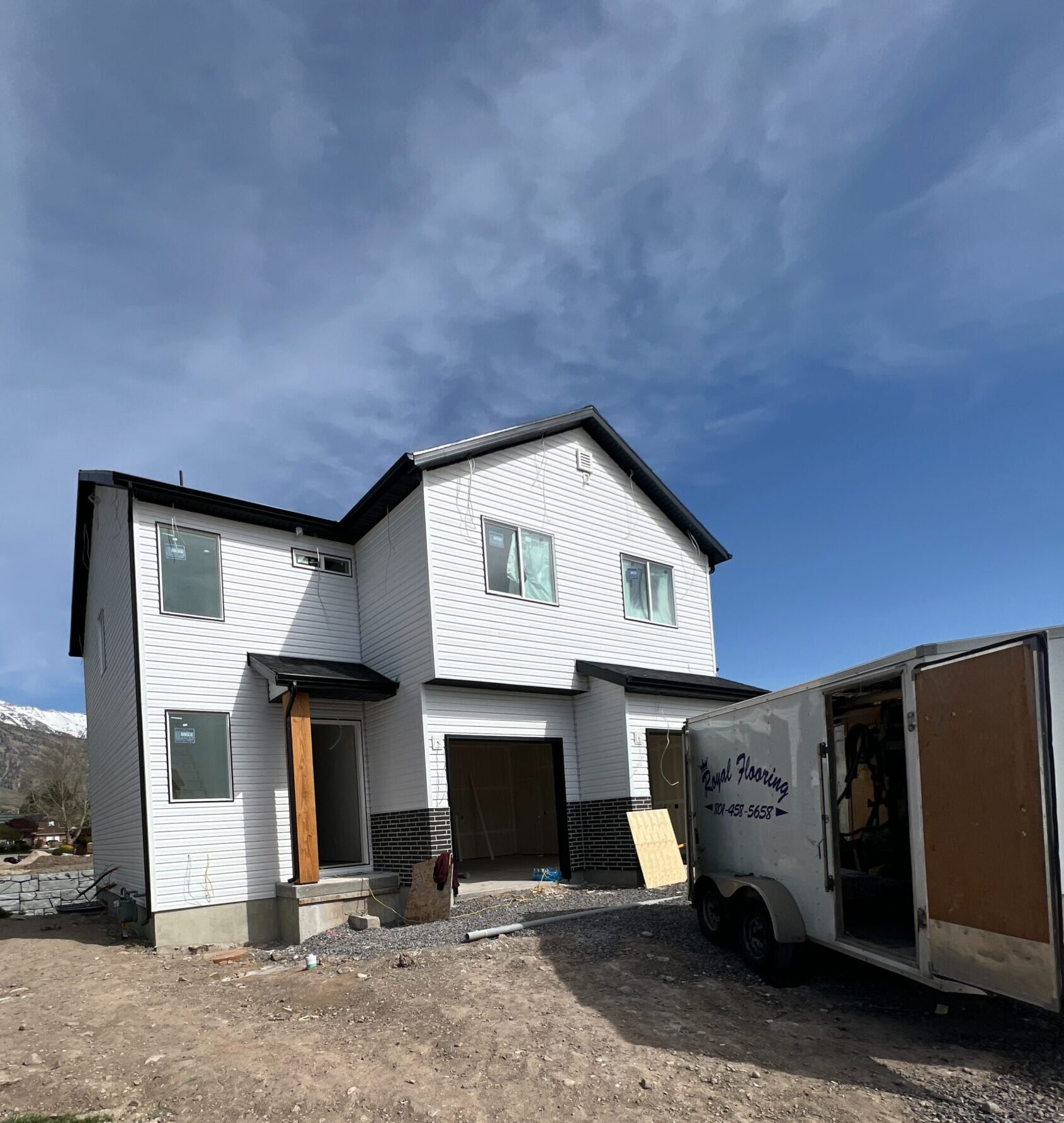
A spec home (short for speculative home) is built without any customer decisions. The builder picks the lot, designs the floor plan, selects the finishes, and starts construction on the assumption that someone will buy it when it’s done, or near completion. In other words, a spec house is typically built for a broad market, not individual homeowners, and the builder constructs it without a buyer lined up in advance.
Some builders allow limited changes if you catch the home early enough in construction, like different countertops or different flooring. But even then, limited customization usually means choosing from predefined selections that spec home builders have already set. By the time the drywall is up, those windows close fast.
Spec homes are usually built in new subdivisions or developments, and sometimes in established neighborhoods, where they’re marketed as a move-in-ready home or a brand new house. A spec home moves quickly. You can be under contract, through inspection, and heading to closing within 30 to 60 days in many cases. For buyers who need to be in a home by a certain date, or who just don’t want to spend 10 months making decisions, that speed matters. It’s often also move-in ready, and the set price can reduce unexpected costs.
What spec homes don’t give you is a house designed around how your family actually lives. The kitchen faces the wrong direction for the morning light. There’s no mudroom off the garage, even though you have three kids who play soccer. The basement is unfinished when what you wanted was a playroom. Some spec homes may be built to minimum code standards and are meant for a broad market rather than designed specifically for one household.
What Is a Custom Home?
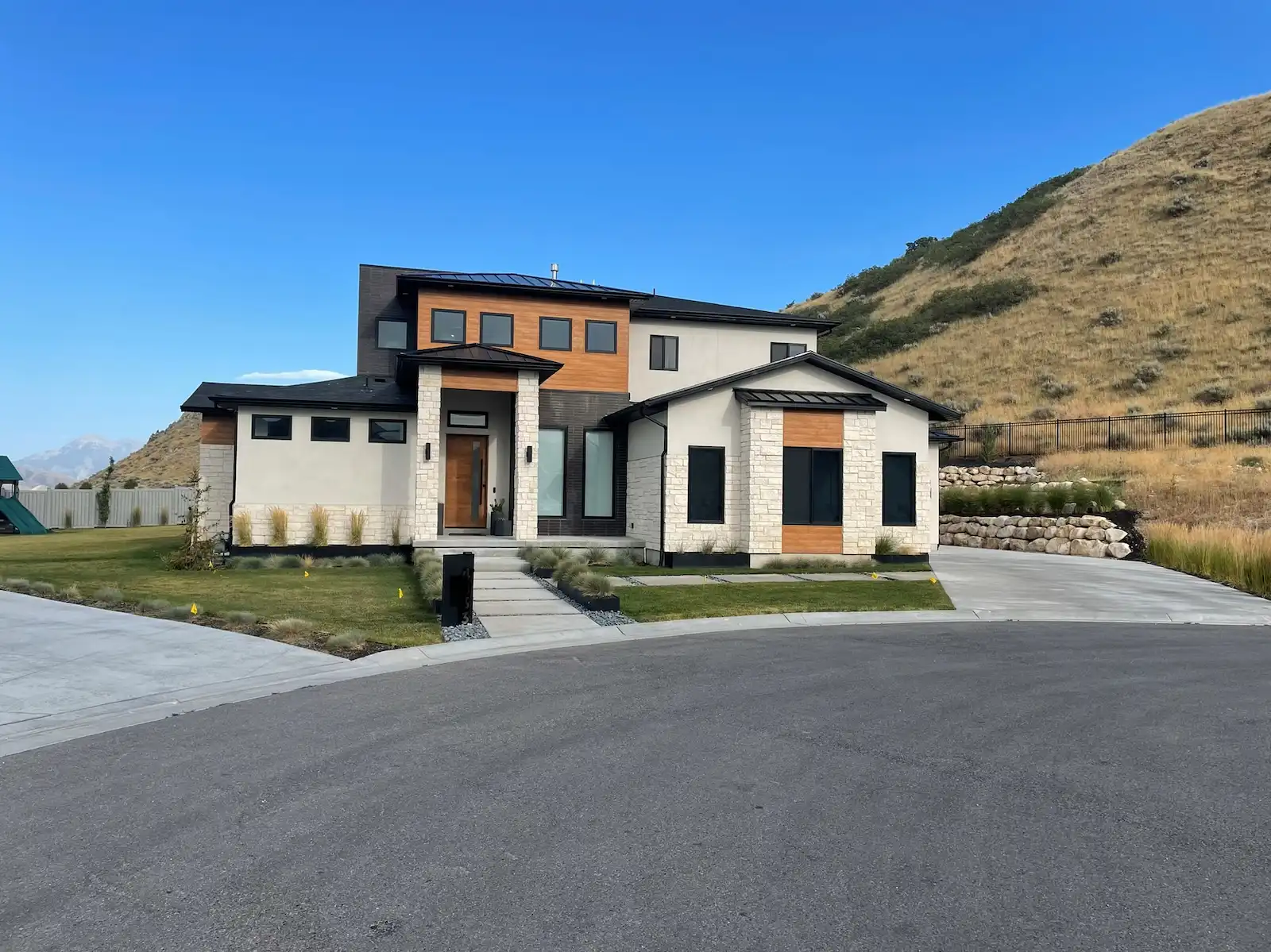
A custom home is built specifically for you, designed by you. You choose the lot, work with a builder on a floor plan that fits how you live, select your finishes, and make hundreds of choices along the way. Nothing about the final house was decided before you got involved.
When you build a custom home, you get complete control over the design choices, which allows for complete personalization without having to work around choices someone else already made. A custom build usually requires significantly more time. Typically 8 to 14 months from initial consultation to move-in, depending on the complexity of the scope and the county you’re building in. It requires active involvement. And it requires a clear vision, or at least a willingness to develop one during the design phase.
When building a custom home, decisions about energy-efficient features can be included from the start, which can lower utility bills and reduce future costs. The kitchen faces the right direction. There’s a mudroom. The basement playroom is in the plan from the start because you put it there. That kind of planning can also support higher long-term value than many spec homes.
At Roots Builders, every project starts with understanding how a family actually uses their home: what happens in the morning, where homework gets done, how people move through the space. That approach guides the construction process for custom-built homes and helps us design a dream home built specifically around real routines. That shapes everything from the floor plan down to where outlets get placed.
The Cost Difference
Price comparisons between spec homes and custom homes are always a little misleading because they don’t measure the same thing, so looking at custom home cost is usually more useful than comparing headline prices alone.
A spec home price includes the land. A custom build price doesn’t, unless you’ve already purchased a lot separately. That makes apples-to-apples comparisons harder than they look, especially when you’re comparing upfront costs and closing costs, not just base price.
Spec homes often carry lower sticker prices because builders build them at volume. They buy materials in bulk, reuse floor plans across multiple homes, and absorb some economies of scale. It’s also why every third house on the street has the same kitchen.
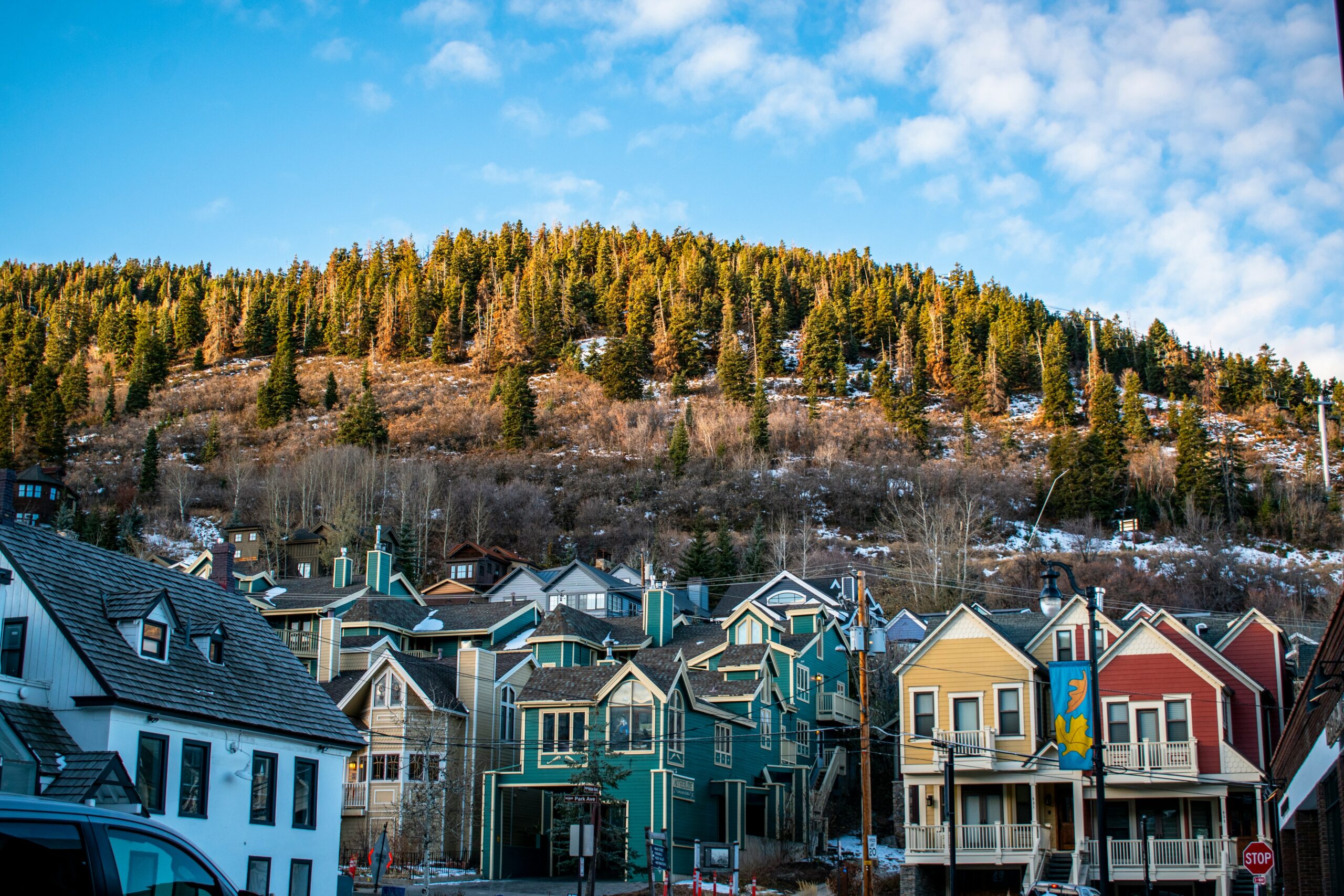
For new construction in Utah, custom homes generally run from around $200 to $300 per square foot for mid-range builds, with high-end custom work starting at $300 and going well past that. Simple builds in developed areas of Utah County tend to come in at the lower end of that range. Builds in Wasatch County, including Park City and Midway, typically run 15 to 20 percent higher per square foot because of site access, permitting timelines, and labor logistics. That’s not a reason to avoid mountain locations. It’s information you need going in.
The cost comparison that most people miss is what happens after you move in. Spec homes are built for broad appeal and future buyers, not for your specific life. Custom homes may cost more because they often use higher-quality materials and higher-quality craftsmanship. Within a few years, most buyers renovate something: the kitchen they never quite liked, the master bathroom that felt like it was designed for a model unit, the basement they always meant to finish. Those costs don’t show up in the purchase price.
A well-scoped custom home costs more upfront. But it often delivers stronger long-term value and better resale value, and custom homes often have higher long-term value than spec homes because they tend to hold stronger value over time.
Scope Changes Add Up Quickly
Scope changes mid-build in a custom home are expensive. Moving a wall after framing costs more than designing around it before a permit is pulled. Adding a bathroom after plumbing is roughed in costs more than including it in the original plans. Undoing something already built takes more work than doing it right the first time, which is why early decisions also support a clearer construction timeline.
When you’ve spent years on the lender side watching projects blow past budget, you develop a sharp view of where things go wrong. Scope changes mid-construction are near the top of that list, every time. Builders who rush clients through the design phase to start construction faster tend to generate more change orders, not fewer.
The design phase for a custom build typically runs 6 to 10 weeks of active decision-making before permit submission. That’s not time lost. It’s time invested in a budget that holds and a clearer construction timeline.
Which One Is Right for You?
A spec home makes sense if you need to be in a house within 60 to 90 days, or if you’ve toured the home and genuinely like what the builder chose. A real estate agent can also help with contracts, inspections, and negotiating price or closing costs on a move-in-ready purchase. Touring a model home can also help you judge the builder’s finishes and layout choices. Walk the property. Look at it like you’re going to live there for 20 years. If the layout works, the finishes feel right, and the location is where you want to be, there’s nothing wrong with buying it.
A custom home makes sense if you have a vision that doesn’t exist in the current market, if you’ve found yourself renovating in your head every time you tour an existing home, or if you’re building in a specific location where the lot itself is part of what you want. A custom home is designed specifically for your life and can still be planned with future buyers in mind for long-term value. You also need to be willing to spend 10 to 14 months making decisions and staying involved in the process if you want a dream home rather than broad-market choices.
If you’re trying to figure out which path fits your situation, we’d welcome a conversation. Schedule a consultation with Roots Builders and let’s talk through what you’re actually trying to build.