Most people comparing new construction to an existing home start with price. That’s understandable. It’s the number that’s easiest to find and easiest to compare. It’s also the least reliable way to make a decision that will affect your finances and your family for the next decade.
The sticker price gap between new and existing homes has been narrowing for years. What doesn’t show up in that comparison is what older homes cost after closing, what renovation really runs when you’re trying to get an existing home to where you want it, or what building in Wasatch County costs versus Utah County. Those differences are significant, and most buyers don’t see them until they’re already committed.
This guide walks through five factors that shape the decision more than the list price ever will. Design control, total cost, timelines, Utah-specific conditions, and buyer protections.
Design Control and What You Actually Get in Each Option
When people compare new construction to an existing home, they usually treat “new construction” as a single category, but it isn’t. The amount of design influence you have depends almost entirely on which type of new construction you’re looking at.
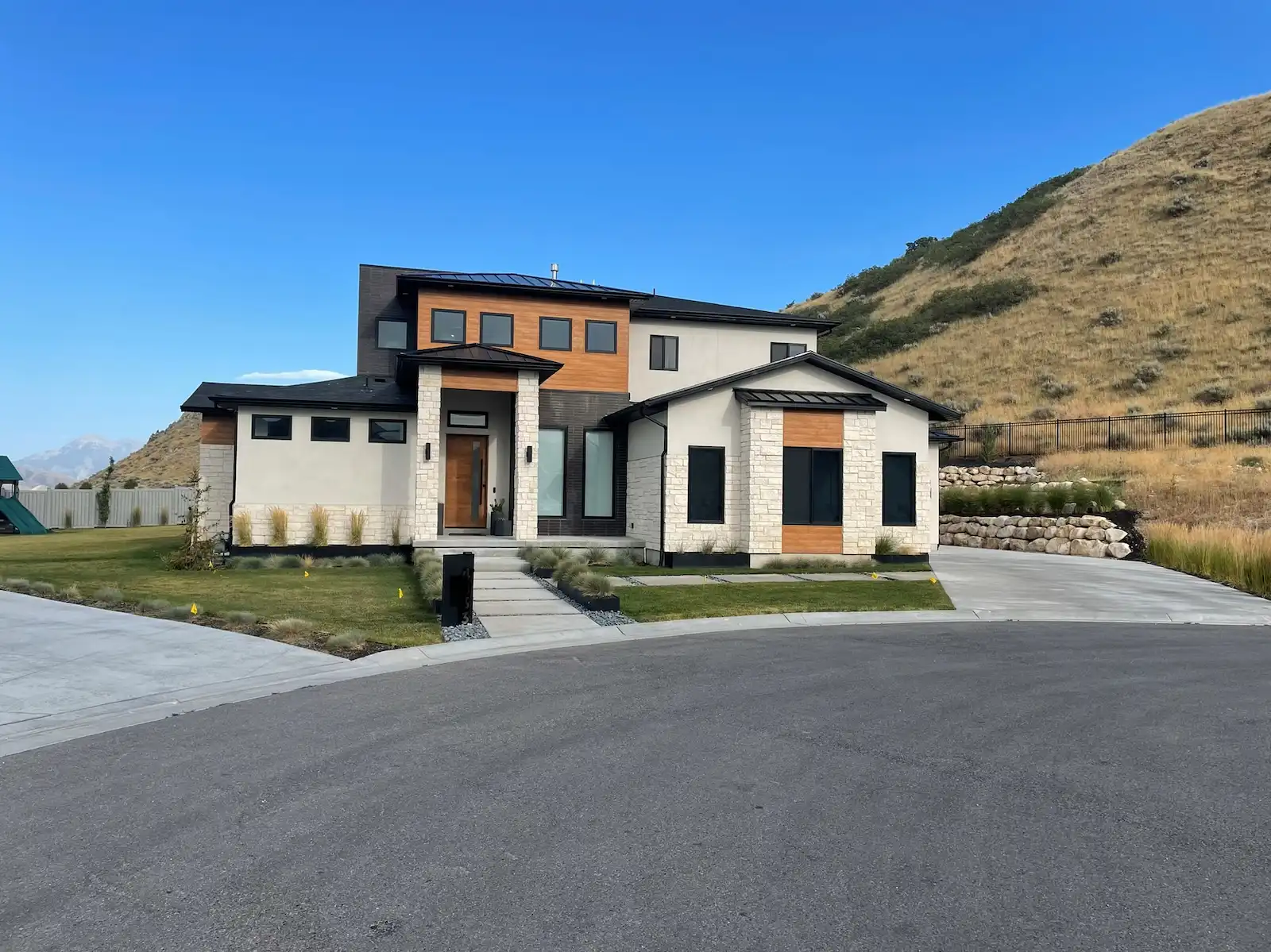
A fully custom home means starting from scratch. Floor plan, room sizes, ceiling heights, finishes, and mechanical systems. Everything reflects the choices you make before the foundation is poured. That level of control separates a true custom build from every other option on the market.
A spec or semi-custom home is designed by the builder and is either complete or close to it. You may be able to select some finishes, but the majority of the design choices are locked in. Depending on timing and builder package options, with expert guidance on finish selections when timing allows, a new build may still offer modern layouts, modern features, built-in smart home features, and smart technology. This sits closer to a production home than to a fully custom one, and it’s worth knowing the difference before you assume you can make it feel like yours.
An existing home gives you someone else’s decisions. previously lived-in homes stand out for distinctive architectural elements, original hardwood floors, and the sense of history and character that older homes can bring. If the layout doesn’t work, the kitchen is ten years behind, or you want to add rooms, you’re now in renovation territory with its own timeline, cost, and process complications.
Buyers who know exactly what they want and can’t find it in the existing market typically build. Buyers with more flexibility on design and a tighter timeline often do better buying resale homes, which are often move-in ready.
Existing Home Maintenance Costs
An existing home carries deferred maintenance that doesn’t show up in the listing price. A roof at the end of its life can run $15,000 to $25,000. An HVAC replacement is typically $8,000 to $15,000. Outdated electrical, aging plumbing, windows that need replacing, and the list compounds quickly. Older homes also tend to bring more maintenance issues. In competitive markets, buyers often waive negotiation leverage just to get an offer accepted, though in softer markets, they may win repair credits that reduce post-close expenses. In those resale situations, buyers may also have more room to negotiate than they do with new construction.
According to NAHB analysis of U.S. Census Bureau and NAR data, the median new construction home in Q1 2025 was priced at $416,900 compared to $402,300 for existing homes, a gap of roughly $14,600. That gap has continued narrowing, and in several recent quarters, existing homes have actually exceeded new construction in median price. On a per-square-foot basis, new homes in many markets price lower than resale, partly because newer builds tend to run larger. Buyers should compare the overall cost, including closing costs and property taxes, not just the list price.
New construction homes typically require less upkeep, can carry lower insurance premiums because they meet newer codes, and may cost less over time despite a higher initial purchase price.
The renovation trap is where the comparison gets expensive in ways buyers don’t anticipate. Wanting to add a room, redesign the kitchen layout, or reconfigure a floor plan after purchasing an existing home costs significantly more than building those features into a new home from the start. You’re paying to undo what’s there before you can redo it into what you want.
At Roots Builders, we see clients who initially looked at existing homes, and the numbers looked reasonable on paper. Once they mapped out what it would cost to get the home to where they wanted it, the gap between renovation costs and building new closed faster than expected.
Purchasing Timelines
Resale purchases typically close in 30 to 45 days, and buyers move in on closing day. That predictability is why timeline-sensitive buyers often default to existing homes. New construction covers a much wider range.
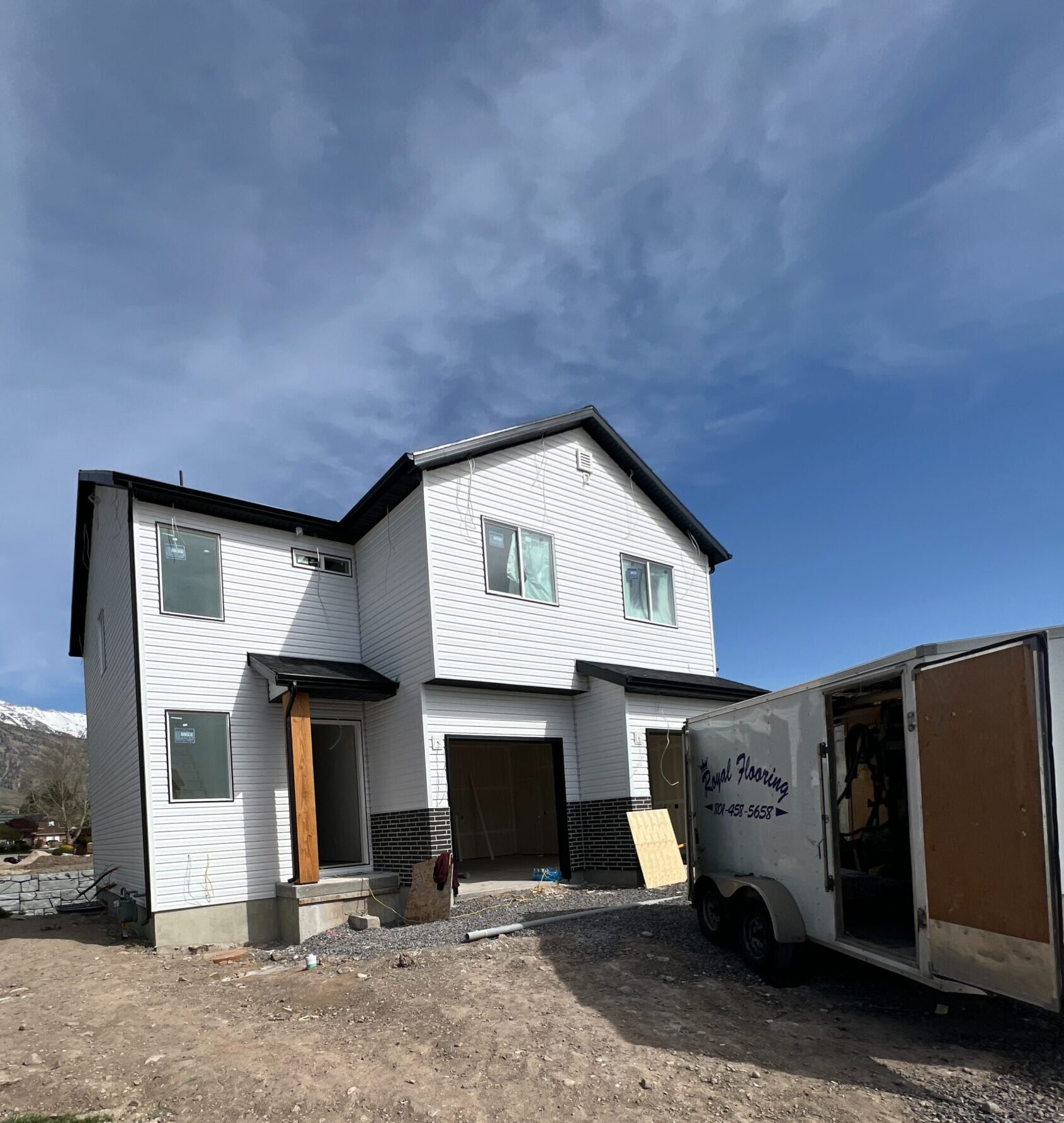
Completed spec homes are often move-in ready and can close in 30 to 45 days. Many builders also offer quick move-in homes, sometimes with limited final touch selections still available. Semi-custom builds run 4 to 6 months. A fully custom home in Utah typically runs 8 to 14 months from initial consultation to keys. Mountain-area builds in Wasatch or Summit County can take more than 14 months, depending on site complexity, permitting timelines, and design scope.
The most important thing to understand about custom home timelines is that they’re mostly won or lost in the design phase, not during construction.
Scope changes mid-build cost two to three times what the same decision would have cost during design. Incomplete plans create permit delays. Decisions made late or changed after work is underway push schedules in ways that are hard to recover. The builders who deliver on time are the ones who invest most heavily in thorough planning before a single thing is built.
If you have a hard move-in date, build type selection matters more than builder selection. Know which category you’re buying before you start the process.
Building New in Utah
If you’re choosing between new construction and an existing home in Utah, there are a handful of county-specific conditions worth considering.
New homes are often concentrated in developing suburbs, while existing homes are more often found in established neighborhoods closer to built-out areas.
Utah County and Salt Lake County offer the most developed infrastructure for new construction. Permitting timelines are generally predictable, site access is easier, and labor and material logistics are straightforward. Per-square-foot costs for custom homes in these areas typically run $150 to $200 for basic custom, $200 to $300 for mid-range, and $300-plus for high-end custom (2024 to 2025 figures; verify current estimates with your builder). Existing homes may also offer larger lots and mature landscaping that are harder to find in newer developments.
Wasatch County, including areas like Midway and Heber City, typically runs 15 to 20 percent higher per square foot than Utah County. Mountain-site conditions like slope, soil type, access roads, and utility connections add real cost and complexity. Permitting timelines tend to run longer as well.
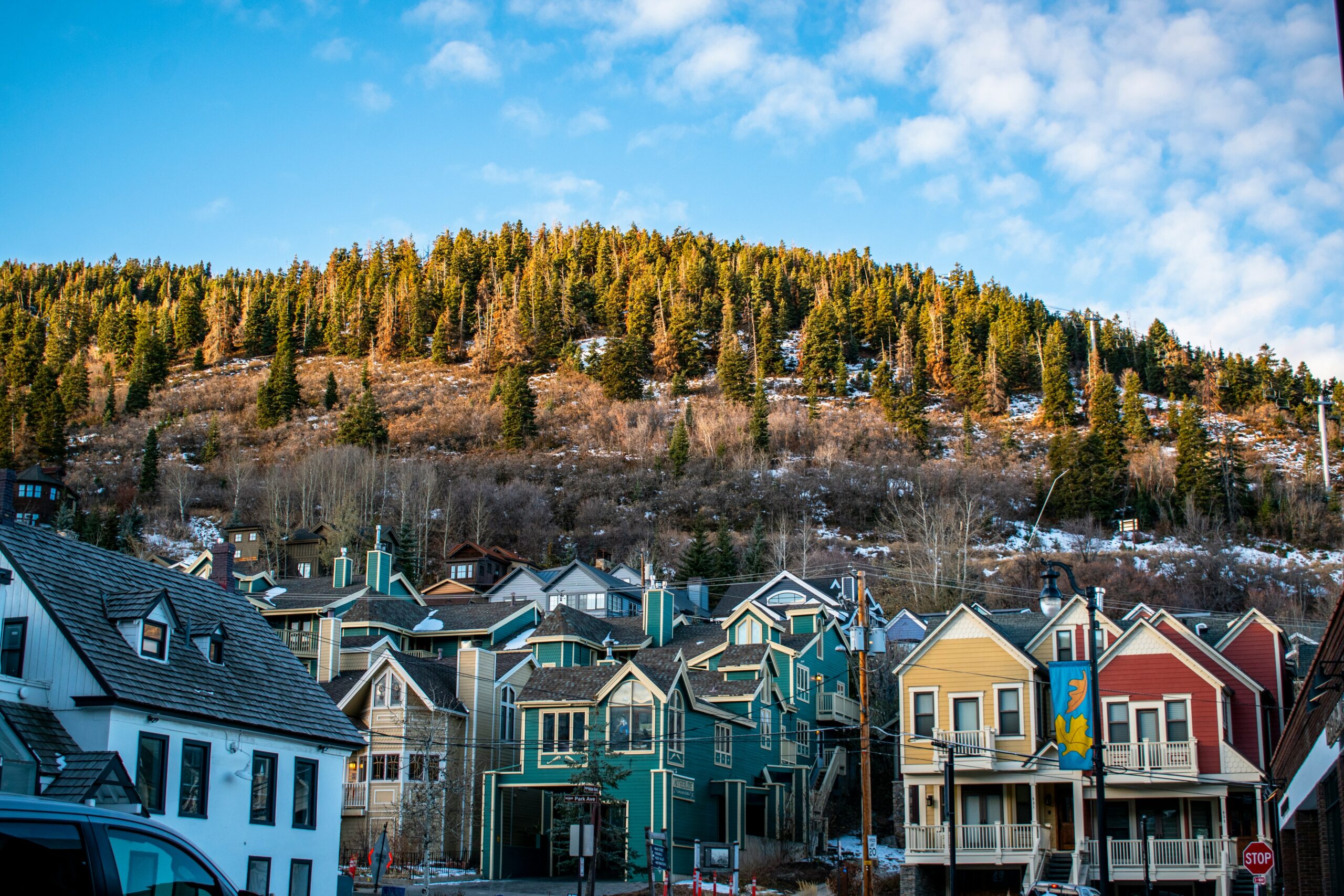
Summit County, which includes Park City and surrounding areas, has its own permitting environment and construction conditions that differ from those on the Wasatch Front. Projects in those areas typically require more planning lead time and carry higher per-square-foot costs.
Site conditions alone can affect total build cost by 15 to 25 percent. A builder who quotes you a per-square-foot estimate without knowing your lot is either guessing or giving you a number you’ll renegotiate later.
This is one reason why building custom in Utah requires home builders who understand the county-level landscape, not just general residential construction. The differences at the site level are too significant to average away.
Inspections, Warranties, and Buyer Protection
New and existing homes carry different levels of buyer protection. This is an underappreciated part of the comparison.
Most custom or new construction homes come with a builder’s warranty structured around a 1-2-10 framework. The first year covers workmanship and materials. Years one through two cover mechanical systems, including HVAC, plumbing, and electrical. The ten-year period covers major structural components. That protection does not exist in a resale purchase.
When you buy an existing home, some sellers include a home warranty as part of the transaction. These typically cover mechanical failures and tend to come with deductibles, exclusions, and a narrower scope than a builder’s warranty. They’re not equivalent.
On the inspection side, new construction requires a different approach than a resale inspection. A single final walkthrough before closing is not sufficient. Buyers should request phased inspections at pre-foundation, pre-drywall, and final stages. Independent inspectors catch things that builder-side quality control can miss, and they have no incentive to let anything slide.
For resale purchases, a standard inspection contingency giving you 7 to 10 days to review findings and negotiate repair credits from inspection findings is a baseline protection worth preserving. In competitive markets, some buyers waive it, but that removes leverage and increases exposure to unexpected maintenance after closing. On a home with an unknown maintenance history, that’s a significant risk.
How to Choose Between New Construction and an Existing Home
A fully custom home makes the most sense when you have a clear vision that doesn’t exist in the current resale market, you have the time a build requires, and you want a brand new home that helps you create your dream home without the cost and disruption of post-close renovation. It also makes sense when long-term cost predictability matters to you. A new home with current systems and stronger energy efficiency through insulation, windows, and energy-efficient HVAC systems typically carries lower maintenance and utility costs for years before the first major repair is needed. It may also include smart home technology.
An existing home makes more sense when location flexibility is your top priority, you’re working within a timeline that doesn’t allow for a custom build, or you’re weighing options from many builders and resale listings, depending on whether you want faster delivery or a specific neighborhood. The median U.S. home is over 40 years old, so many buyers comparing new construction with resale stock are trading customization for location.
According to the Zillow Consumer Housing Trends Report, 52% of prospective buyers prefer new construction, but the right decision still depends on your priorities.
Comparing the two based on list price alone doesn’t work. The real comparison is what each option actually costs, what it gives you, and how well it fits your life over the next decade.
If you’re trying to figure out where a custom build in Utah County, Wasatch County, or the Wasatch Front falls in your financial picture, that conversation starts with site conditions, your design vision, and an honest budget discussion. Not with a price per square foot pulled from a general estimate.
The Bottom Line
The new construction vs. existing home comparison looks simple on the surface and gets complicated fast once you run the real numbers. Design control, total cost, timelines, location-specific conditions, and buyer protections each shift the balance in ways specific to your situation.
For families building in Utah who know what they want and have the timeline to build it right, a custom home tends to deliver more of what they’re after at a total cost closer to resale than the sticker-price gap suggests.
We’ve helped families through this exact decision across Utah County, Wasatch County, Salt Lake, and Summit County since 2021. If you’re working through it now, schedule a consultation and let’s have an honest conversation about what makes sense for your budget, your land, and your timeline.