Who It’s For
- People actively researching a move to Utah
- Families and professionals weighing tradeoffs between cost, quality of life, and outdoor access
- Anyone considering building rather than buying, given the section on construction costs by county
Key Takeaways
- Utah’s median home price is around $575,000, placing it among the top 10 most expensive housing markets nationally — affordability is no longer a reliable selling point
- The Wasatch Front averages five to six multi-day inversion episodes per winter; air quality is a real health consideration, not just a seasonal inconvenience
- Utah’s unemployment rate (3.6%) beats the national average, but Silicon Slopes hiring has tightened considerably since 2023
- Southern Utah and the Salt Lake metro are fundamentally different places to live — treating Utah as one market is the most common mistake people make
- Building costs vary significantly by county, with Wasatch County running 15–20% higher per square foot than Utah County
What You Should Know Before You Move
Utah has been one of the fastest-growing states in the country for years. People move here from California and the Pacific Northwest. They are drawn in by the scenery and the cost of living relative to coastal cities. Some of them love it, but some of them didn’t know what they were getting into.
If you’re seriously considering moving to Utah, generic articles won’t help you much. “Great outdoors” and “rising housing costs” are true, but they aren’t very useful beyond that. This guide covers the pros and cons with real numbers and the specifics you need to know to make a major life decision.
Pros of Living in Utah
Natural Beauty That’s Hard to Match
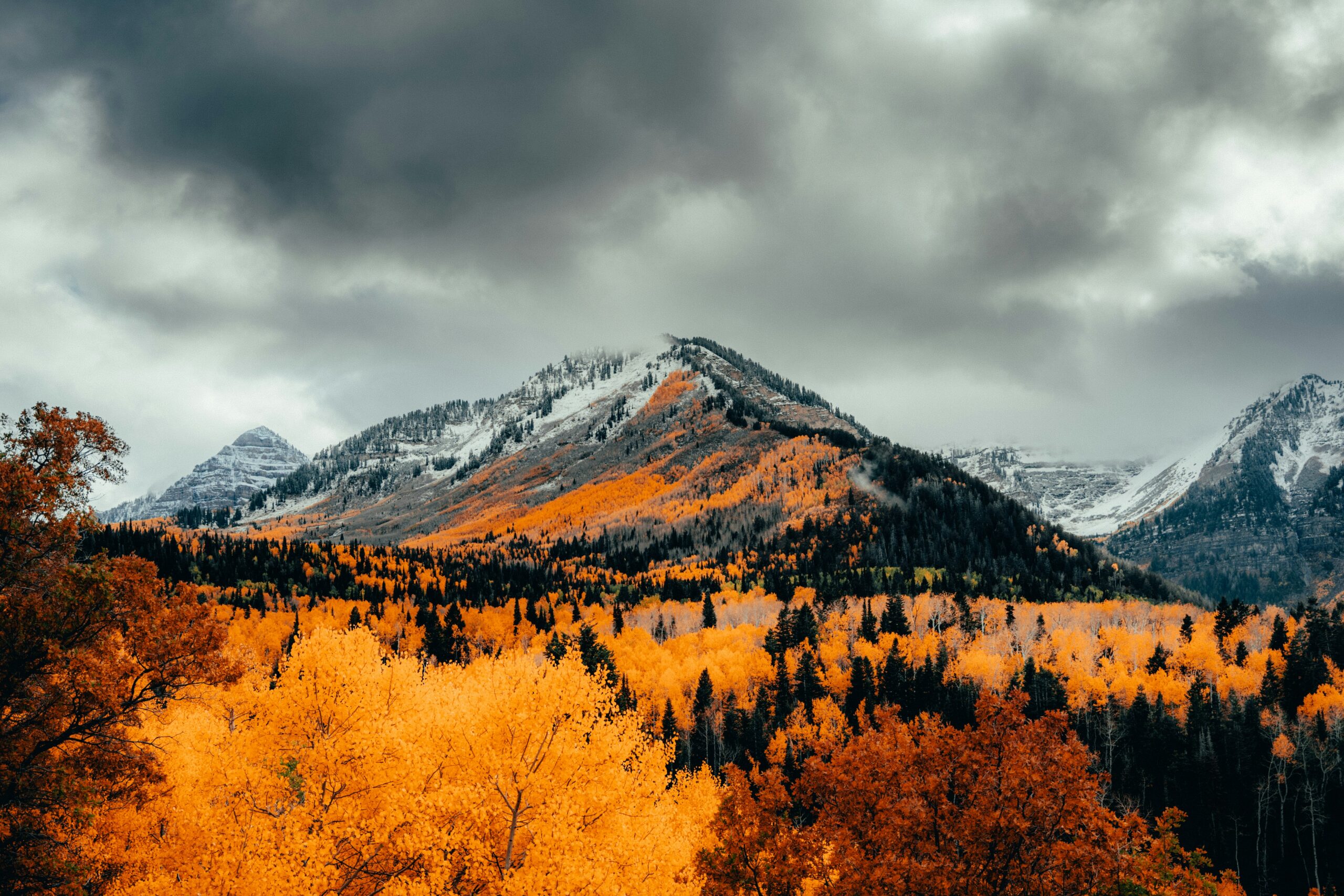
Utah is home to five national parks, including Zion National Park, Bryce Canyon, Arches, Canyonlands, and Capitol Reef, plus 44 state parks, nine national monuments, and more than 22 million acres of public land. On a Friday afternoon in Salt Lake City, a major metro area, you can be in Little Cottonwood Canyon within 30 minutes and deep into the Wasatch backcountry in 45.
The diversity of the landscape is what surprises most people who come from out of state. Southern Utah looks nothing like northern Utah. The red rock canyons around Moab and St. George are world-famous for a reason. Then, you head north into the Uinta Mountains, and you’re looking at glacial lakes and dense forests, which is an entirely different terrain. Bear Lake, in the northeastern corner of the state near the Idaho border, is so intensely blue it doesn’t look real.
If outdoor activities matter to you, Utah is hard to beat. Most Mountain West states have one or two headline destinations, but Utah has dozens, paired with relatively affordable housing. It’s an outdoor enthusiast’s mecca.
World-Class Ski Resorts
The Wasatch Range delivers some of the best snow in North America. It’s light and dry, which is where Utah’s reputation of powdery ski slopes comes from. With its snowy winters, Utah’s resorts boast roughly 500 inches of snowfall per year on average at the upper elevations, and the powder at Alta, Snowbird, and Brighton is the kind that draws skiers from Japan and Europe. Park City Mountain Resort is the largest ski resort in the United States by acreage.
For families in particular, proximity to world-class skiing changes how winters feel. Instead of grinding through dark, cold months, you spend weekends on the mountain. That’s a genuine quality-of-life difference.
A Strong Job Market (With Caveats)
Utah’s unemployment rate currently stands at 3.6%, compared to a national rate of around 4.4%, indicating significant economic opportunity. The state has built a legitimate technology corridor along the Wasatch Front with a booming economy. Silicon Slopes, running roughly from Salt Lake City south through Lehi and Provo, includes major employers like Adobe, Qualtrics, and dozens of mid-sized software companies.
Healthcare is the other major sector. Intermountain Health and the University of Utah Health system are among the largest employers in the state, and both continue to grow. Medical centers are easily accessible, no matter where you live.
However, it’s important to keep in mind that the Silicon Slopes tech scene is not immune to national tech industry slowdowns. Hiring in 2025 and into 2026 has been tighter than the boom years of 2021–2023. The fundamentals of Utah’s economy are strong, but if you’re specifically moving for a tech job, do your homework on current hiring conditions before you uproot your family.
Tight-Knit Communities and Quality of Life
Utah consistently ranks among the happiest states in the country. Part of that is the outdoor culture; people who spend time outside tend to be healthier and more social. Part of it is the community fabric, especially in suburban areas like Draper, South Jordan, Saratoga Springs, and St. George. These communities offer small-town charm and walkable downtowns, but with all of the amenities of a city. They have their own identities, local events, and a welcoming community.
If you’re raising a family, Utah offers a lot: good schools in many districts, relatively low crime in most areas, and communities where kids can be outside. The state has more parks and recreation centers per capita than most comparable metro areas.
Four Real Seasons
Utah is technically a high desert, which means the humidity stays low year-round. Summers are warm and sunny, Salt Lake City averages around 238 days of sunshine per year, without the oppressive humidity of the Midwest or Southeast. Fall in the Wasatch Mountains is genuinely spectacular. Winters are cold and snowy in the mountains but milder in the valleys, especially in southern Utah, where St. George regularly sees mild winters. Spring comes early by Mountain West standards.
The climate is one of those things people don’t expect to love as much as they do.
Cons of Living in Utah
Housing Costs Have Climbed Significantly
This is where “relatively affordable” isn’t exactly accurate. Utah’s housing market has changed dramatically over the past five years. The statewide median home price is currently around $575,000, putting Utah among the top 10 most expensive housing markets in the country. Salt Lake County’s median is closer to $610,000 for a single-family home.
Compared to San Francisco or Seattle, yes, Utah looks affordable. Compared to the national median, it’s expensive. The household income needed to comfortably afford a typical Utah home has crossed $150,000, which isn’t a starter-home market anymore.
There is some good news: Inventory has improved considerably since the peak frenzy of 2021–2022. Homes are sitting on the market longer, bidding wars are largely gone, and buyers have more negotiating room than they’ve had in years. No one is sure if prices will stay flat or keep rising, depending on how much demand continues to outpace supply, and in Utah, demand has shown little sign of stopping.
If you’re planning to build rather than buy, land costs and construction costs have both risen sharply. Per-square-foot construction costs in Utah County run roughly $200–$300 for mid-range custom builds, and Wasatch County, Park City, Midway, run 15–20% higher due to site access, permitting complexity, and labor logistics. Budget accordingly.
Air Quality Is a Big Issue in the Valleys
Salt Lake City and the broader Wasatch Front have a geography problem. The valley is ringed by mountains on three sides. In winter, temperature inversions trap cold air and all the pollution in it in the valley for days at a time. When conditions are bad, they’re genuinely bad. In January 2025, Salt Lake City ranked as the worst air quality of any major city in the United States during one inversion event. The American Lung Association’s 2026 State of the Air report, covering 2022–2024 data, ranked the Salt Lake City-Provo-Orem metro 13th worst in the country for ozone pollution.
Utah DEQ data shows the Wasatch Front averages about five to six multi-day inversion episodes per winter, with roughly 18 days annually where PM2.5 levels hit unhealthy ranges. An average Utah winter doesn’t mean five to six bad days; it means five to six episodes, each lasting multiple days. If you have asthma, young children, or any respiratory sensitivity, this can be a big problem.
However, the long-term trend shows gradual improvement. The EPA actually removed the Wasatch Front from its dirty air list for 24-hour PM2.5 standards in late 2025. The air is cleaner than it was 20 years ago, even if it doesn’t always feel that way during an inversion week.
Where you live in Utah matters enormously on this front. Southern Utah, St. George, and Cedar City have much cleaner air. Rural areas outside the major valleys are largely unaffected. If you’re sensitive to air quality and committed to living in the Salt Lake area, plan for inversion season the way you’d plan for hurricane season somewhere else: It’s a known annual event, and there are ways to manage it.
Rapid Growth and Infrastructure Pressure
Utah has been one of the fastest-growing states in the country for more than a decade. That growth has benefits. It fuels the job market and the restaurant and cultural scene, but it also has real costs. Traffic on I-15 between Salt Lake City and Provo is meaningfully worse than it was five years ago. Suburban sprawl has pushed development further south into Utah County and north into Davis and Weber counties. Infrastructure has not kept pace with growth.
This is a relatively common problem. It happens anywhere a state grows faster than it can build roads, schools, and water systems. If you’re used to more developed transportation networks, this can get frustrating. Most of the state is car-dependent because there is no large public transportation system. Public transit is improving, but is still limited outside of Salt Lake County.
Water is also a significant long-term concern. Utah is the second-driest state in the country, and the Great Salt Lake has seen dramatic declines in water levels over the past two decades. Growth and water scarcity are on a collision course that state policymakers are actively wrestling with.
The Cultural and Social Landscape Takes Adjustment
Utah’s culture is shaped significantly by the LDS (Latter-day Saint) church, which is headquartered in Salt Lake City and claims membership from a large portion of the state’s population. Depending on where you come from and what you’re used to, this might be a surprising cultural difference.
You’ll notice it especially in liquor laws: Utah has state-controlled liquor stores and stricter alcohol regulations than most states. You may also notice a social culture in many communities that centers around religious and family life. Salt Lake City itself is increasingly diverse and cosmopolitan. The city has a genuine arts scene, a growing immigrant population, and neighborhoods that feel nothing like the suburban LDS communities in Utah County. Outside the city, especially in rural areas and smaller suburban towns, the cultural homogeneity is more pronounced.
Is Utah a Good Place to Live?
For the right person, absolutely. The outdoor access alone is extraordinary, and the four seasons are beautiful. The job market is real, and many neighborhoods offer a great community.
Make sure you understand the trade-offs, though. Housing costs have risen to the point where affordability is no longer a reliable selling point. Air quality in the valleys during winter is a legitimate health concern, and growth is straining infrastructure in ways that will take years to catch up to.
The biggest mistake people make when moving to Utah is assuming it’s one place. Salt Lake City is different from Provo, which is different from St. George, which is different from Park City. The experience of living in southern Utah, cleaner air, warmer winters, a different pace, is fundamentally different from living on the Wasatch Front.
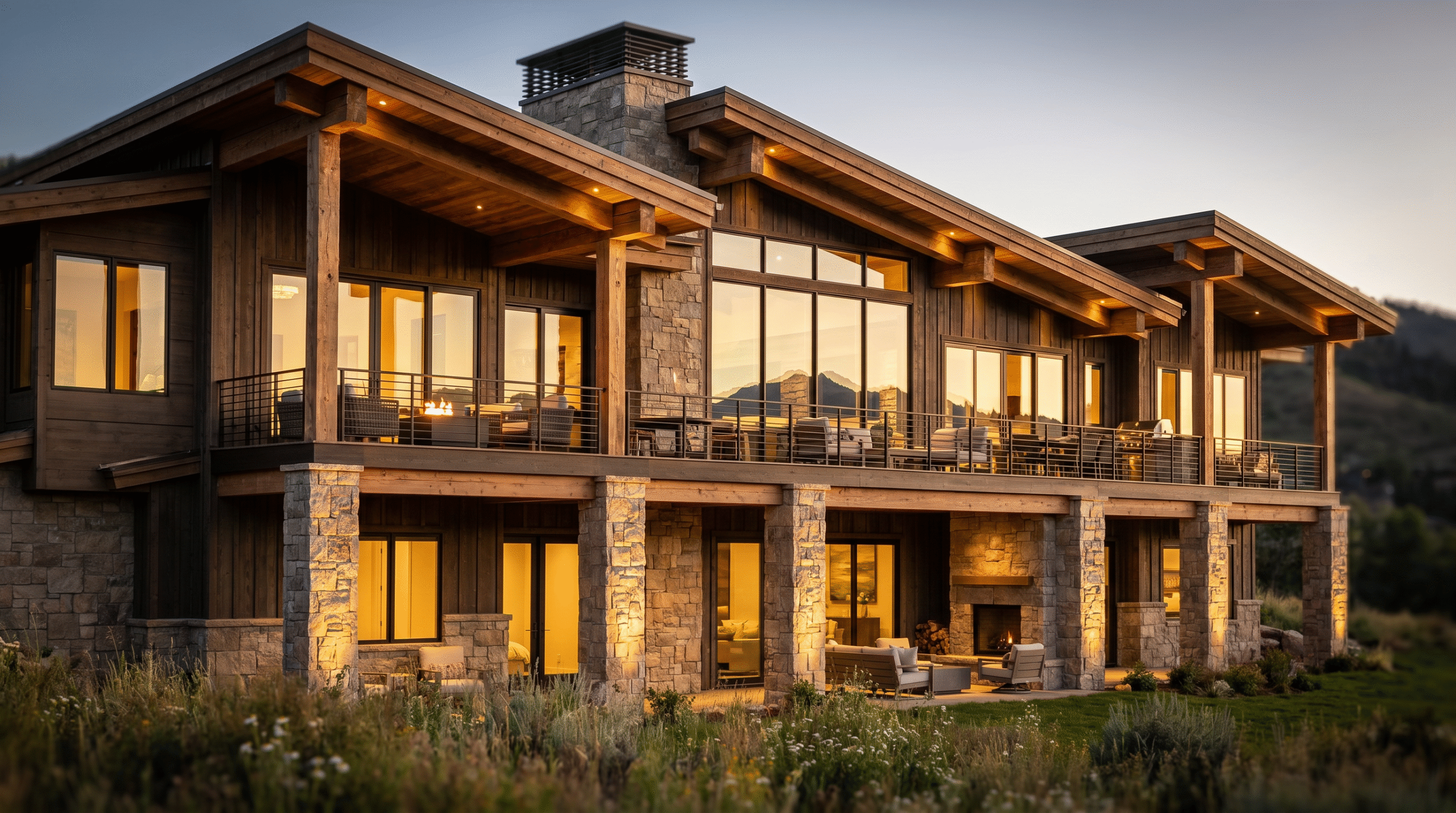
If you’re thinking about building a home in Utah rather than buying, that decision starts with where. The county, site conditions, and the local permitting timeline all shape your cost and how the home fits your family. We’ve built across Salt Lake, Utah, Wasatch, and Summit counties, and the variation between them is significant. If you’re in the early stages of that planning, we’d be glad to help you think through what the decision actually involves.
Schedule a consultation and let’s talk through what you’re trying to build.
Frequently Asked Questions About Living in Utah
For a lot of people, yes. The outdoor access is extraordinary, the job market is genuinely strong in healthcare and technology, and the quality of the community is high in many areas. The trade-offs, including housing costs, winter air quality in the valleys, and car dependence, should be factored in. Whether Utah is a good fit depends less on the state overall and more on which part of Utah you’re considering and what your priorities are.
Less than it used to be. The statewide median home price is now around $575,000, which places Utah among the top 10 most expensive housing markets in the country. That’s a significant change from the narrative of a decade ago, when Utah was consistently cited as a low-cost alternative to coastal cities. It’s cheaper than Seattle or San Francisco, but it’s no longer cheap by national standards. Rentals in Salt Lake City and along the Wasatch Front have followed the same trajectory.
It depends entirely on what you’re optimizing for. Salt Lake City offers the most cultural diversity, the best restaurant and arts scene, and proximity to the mountains. Provo and Lehi are strong choices for families in the tech sector, because they like access to Silicon Slopes employers without Salt Lake City prices, though that gap has narrowed. St. George is popular with retirees and remote workers who want warmer winters and cleaner air. Park City is exceptional for quality of life and outdoor access, but it commands significantly higher housing costs than anywhere else in the state.
Generally, yes. Schools in many suburban districts are well-rated, crime is relatively low, and outdoor recreation gives kids meaningful ways to spend time. The community infrastructure, including parks, recreation centers, and youth programs, is strong in most suburban areas along the Wasatch Front and in St. George. As with anywhere, school quality varies by district, so it’s worth researching specific areas rather than treating “Utah” as uniform.
Housing costs are the most immediate issue for most people moving. After that, air quality during winter inversions is a legitimate concern for anyone living in the Salt Lake Valley. You won’t just get occasional bad days; it’s recurring multi-day events where staying indoors is genuinely the right call. For people coming from more diverse coastal cities, the cultural and social landscape in many Utah communities takes adjustment. And the state is car-dependent; if you expect to get around without driving, you’ll find your options limited outside of downtown Salt Lake City.