The home design trends of 2026 reflect a clear shift toward longevity, intentional living, and design choices that support real life, not just aesthetics.
Instead of chasing short-lived styles, homeowners planning custom builds are prioritizing integrated spaces, natural materials, and layouts that will still feel functional and relevant decades from now. These trends are already shaping how custom homes are being designed today, and understanding them early allows homeowners to build with confidence rather than correction.
Designing for Permanence, Not Popularity
One of the most defining custom home design trends leading into 2026 is the rejection of trend-first thinking. Homeowners are no longer interested in building homes that feel dated within a few years. Instead, they’re choosing designs rooted in restraint, flexibility, and durability.
This shift is particularly evident in custom home projects, where every decision carries long-term impact. Rather than selecting finishes based on what’s currently popular, materials and layouts are being chosen based on how they will age, adapt, and function over time.
The focus is now on:
- Design elements that evolve rather than expire
- Materials that improve with wear instead of showing it
- Layouts that support changing lifestyles
Built-In Furniture as a Core Design Element
One of the most prominent built-in furniture trends shaping 2026 homes is the move toward furniture that feels architectural. Instead of furnishing rooms after construction is complete, homeowners are designing storage, seating, and functional elements directly into the structure of the home.
Built-ins offer a level of cohesion that standalone furniture rarely achieves. They reduce visual noise, maximize usable space, and allow each room to feel intentional rather than filled. Common built-in applications in custom homes include:
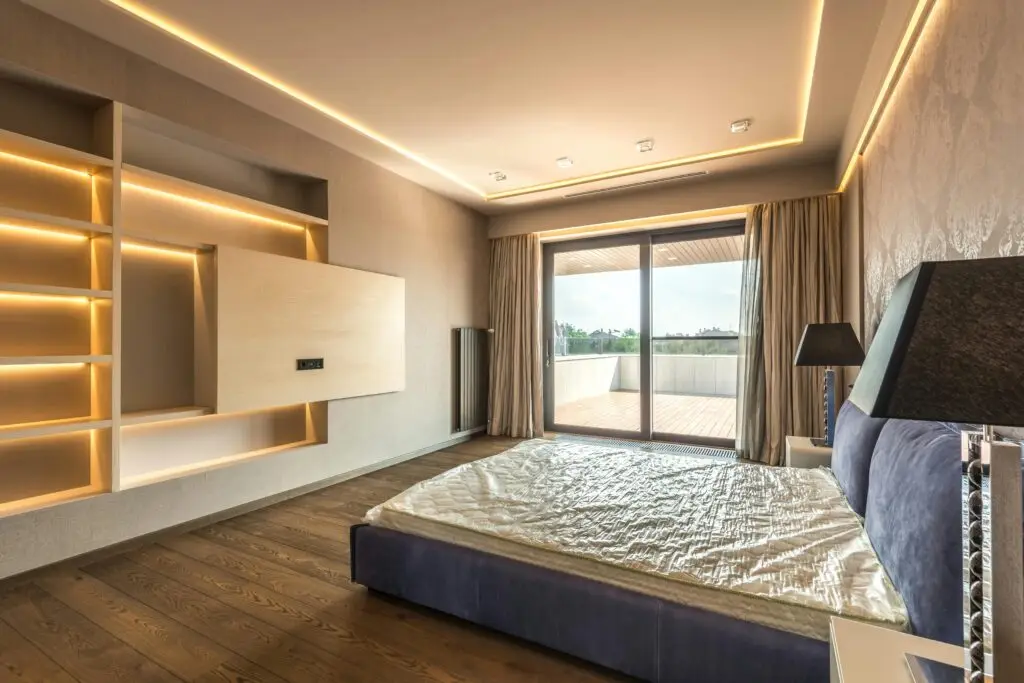
- Bedroom storage that eliminates the need for bulky furniture
- Kitchen banquettes that replace traditional dining sets
- Living room shelving designed around ceiling height and wall proportions
- Integrated desks and workspaces that blend into shared areas
This approach pairs naturally with thoughtful interior design, where the layout, finishes, and furnishings are developed together rather than in isolation. When done well, built-ins make homes feel custom at every scale.
See how this approach is applied through intentional interior planning on our Interior Design Services page.
Wood and Natural Materials Define 2026 Interiors
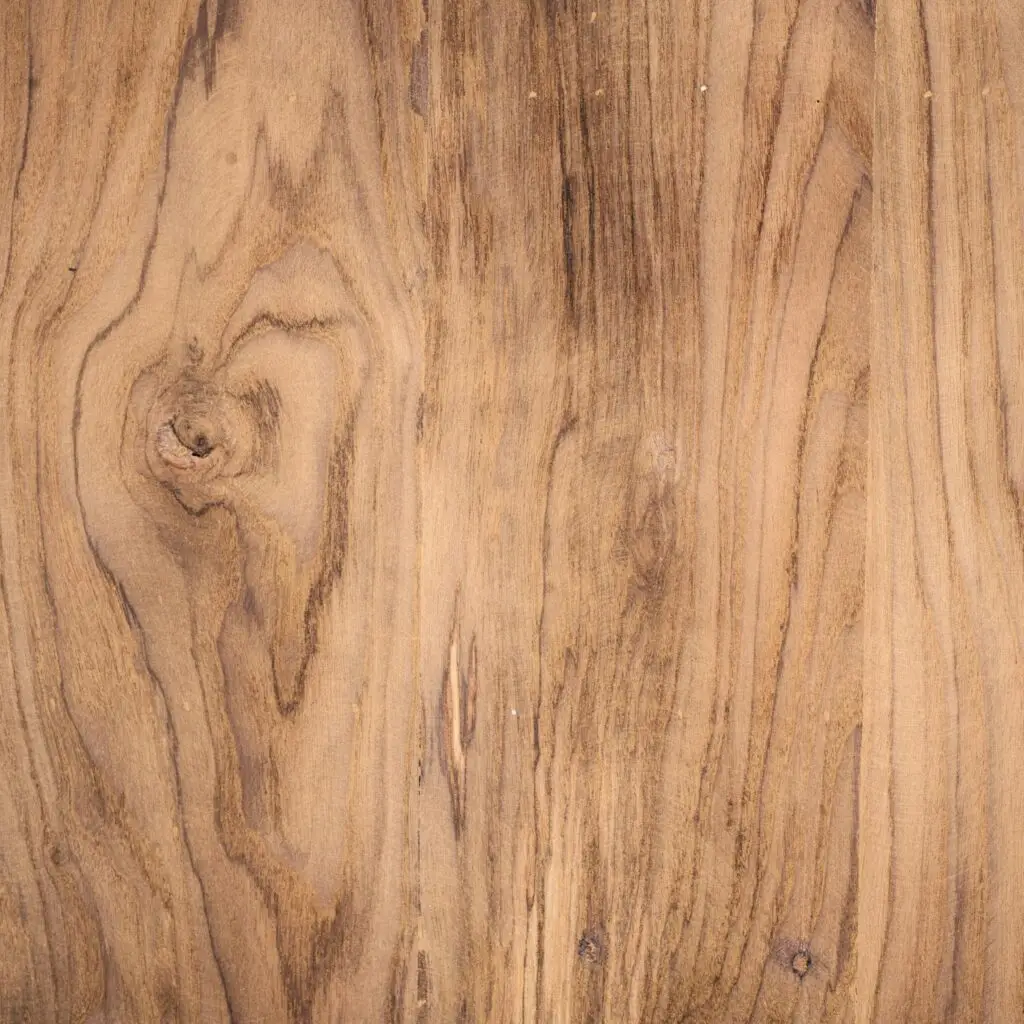
Among the most influential wood trends for 2026 is a return to authenticity. Highly processed finishes and artificial textures are being replaced with materials that show natural variation, grain, and character.
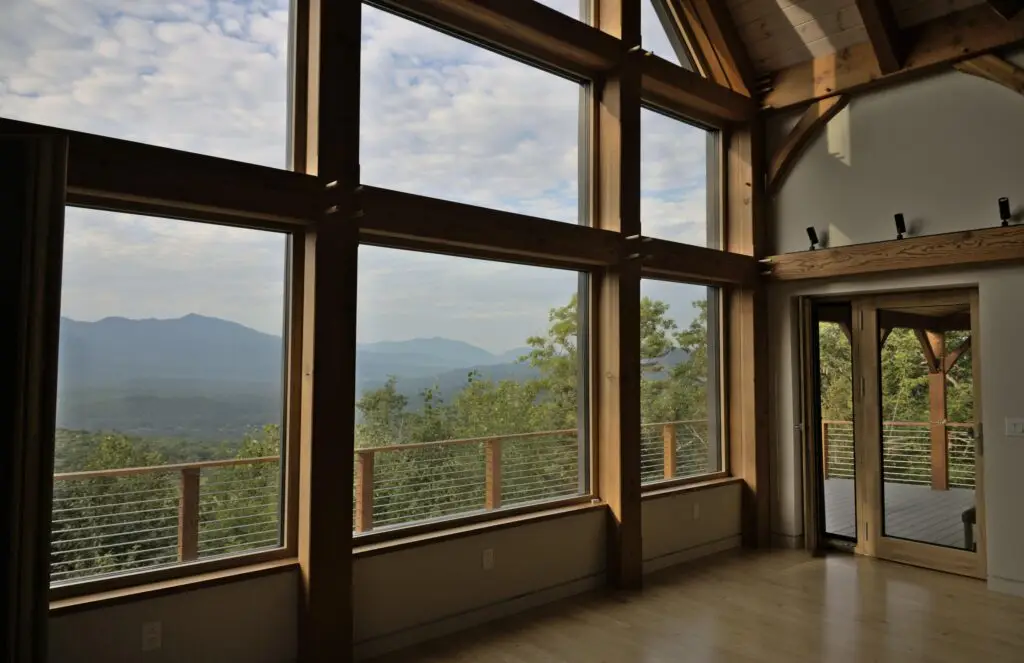
Homeowners are embracing wood that feels tactile and real, often in lighter or mid-tone finishes that highlight texture rather than conceal it. The goal isn’t rustic styling, but warmth and depth.
Where Wood Is Showing Up Most in Custom Homes
| Area | Design Direction |
| Flooring | Wide-plank, matte finishes with visible grain |
| Ceilings | Wood-clad ceilings or exposed beams |
| Cabinetry | Flat-panel wood fronts with minimal hardware |
| Accent Walls | Slatted or dimensional wood features |
These applications support a broader trend toward materials that age gracefully. Natural wood doesn’t fight time, it reflects it, making it ideal for long-term custom builds.
Furniture Styles Shift Toward Architectural Simplicity
When discussing furniture styles in 2026, the emphasis is less on statement pieces and more on proportion, scale, and purpose. Furniture is increasingly being selected—or custom-designed—to complement the architecture rather than dominate it.
Large, overstuffed pieces are giving way to lower-profile designs that allow rooms to feel open and intentional. The result is fewer items overall, but each one serves a specific role within the space.
In custom homes, furniture is often chosen alongside millwork and built-ins to ensure consistency across materials, lines, and finishes. This approach reinforces the sense that the home was designed as a complete system rather than assembled over time.
Open-Concept Layouts Become Zoned and Intentional
Open-concept living remains popular, but in 2026 it’s being refined. Instead of one large, undefined space, homes are designed with subtle zoning that allows multiple functions to coexist without conflict.
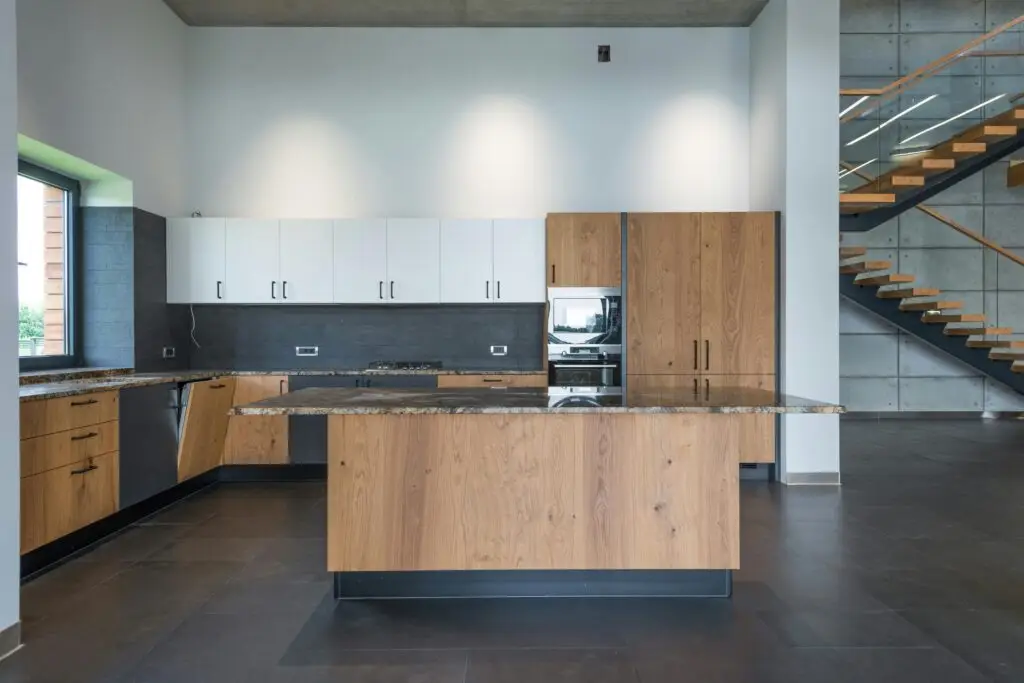
Rather than walls, designers are using architectural elements to define space, changes in ceiling height, built-ins, lighting, and material transitions.
How Zoned Living Appears in 2026 Homes
| Zone | Defining Feature |
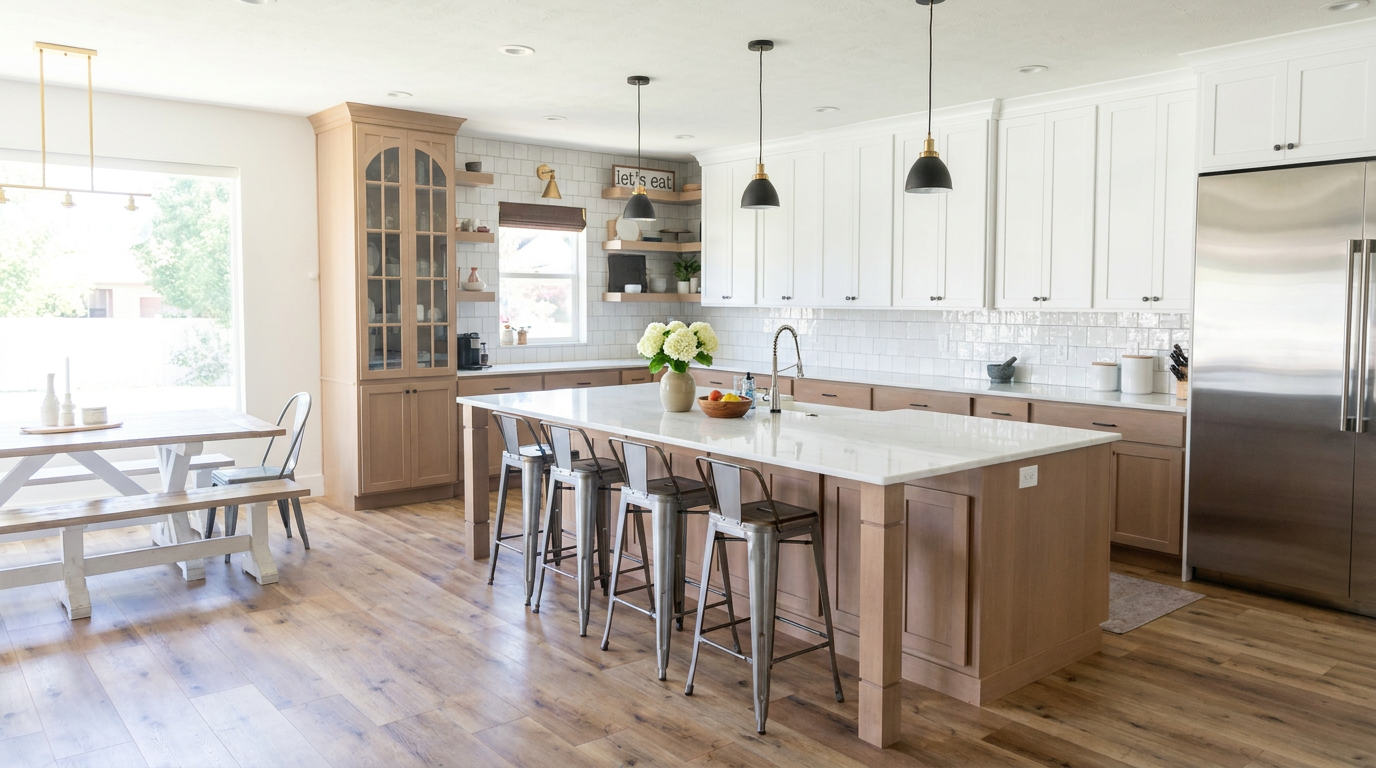
| Kitchen | Island orientation and ceiling treatments |
| Dining | Built-in seating or focused lighting |
| Living | Integrated shelving or fireplace features |
| Work Areas | Partial walls or cabinetry dividers |
This approach supports modern living patterns, where households often cook, work, and relax simultaneously within shared spaces.
Lighting Is Integrated Into the Architecture
Lighting design in 2026 is less decorative and more structural. Instead of relying on visible fixtures alone, custom homes are incorporating lighting into ceilings, walls, and millwork.
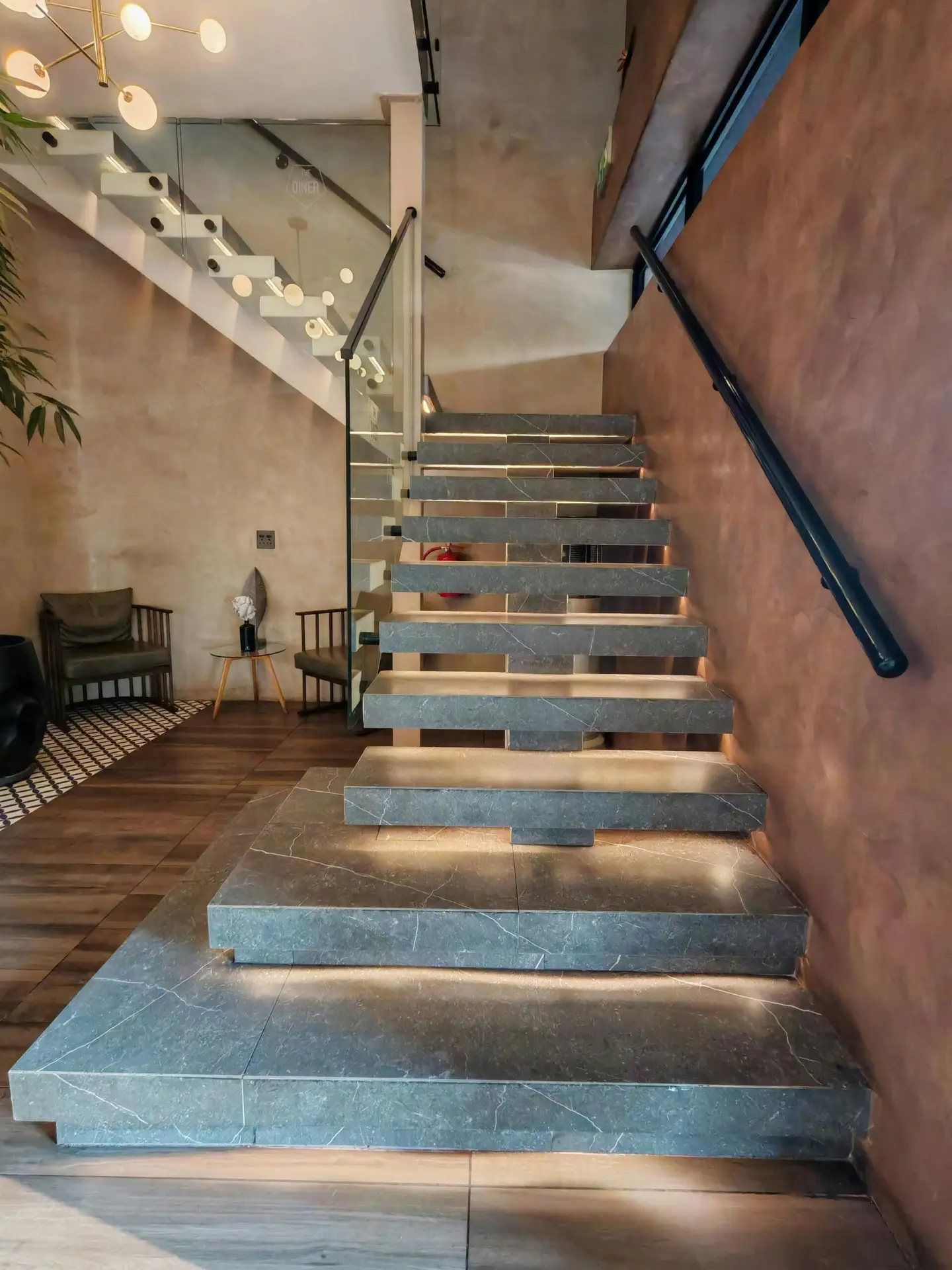
Concealed LED strips, recessed channels, and layered lighting plans allow spaces to shift in mood throughout the day. Lighting is no longer an afterthought, it’s part of the architectural language of the home. This trend enhances materials, highlights textures, and creates depth without visual clutter. The result is a home that feels calm, adaptable, and intentionally designed.
Color Palettes Become Warmer and More Nuanced
Rather than bold contrasts or trendy hues, 2026 color palettes lean toward warmth and subtle complexity. Soft neutrals, muted earth tones, and layered shades within the same color family are becoming the foundation of luxury custom interiors.

These palettes allow architectural details and materials to stand out without overwhelming the space. They also provide flexibility, making it easier to evolve décor over time without major renovations.
This approach reflects a broader desire for calm, restorative environments—homes that feel balanced rather than overstimulating.
Remodeling Trends Reflect the Same Priorities
Interestingly, these same interior design trends for custom homes are also influencing high-end remodeling projects. Homeowners updating existing homes are seeking the same outcomes: better flow, integrated storage, natural materials, and long-term usability.
Rather than cosmetic updates, remodels are becoming more structural—reworking layouts, adding built-ins, and upgrading materials to align with modern living standards.
(This same design-forward approach applies to thoughtful renovations.)
Luxury Is Redefined by Function and Thoughtfulness
Luxury home design trends in 2026 are defined less by size and more by how well a home supports everyday life. Custom homeowners are prioritizing comfort, efficiency, and usability over excess.
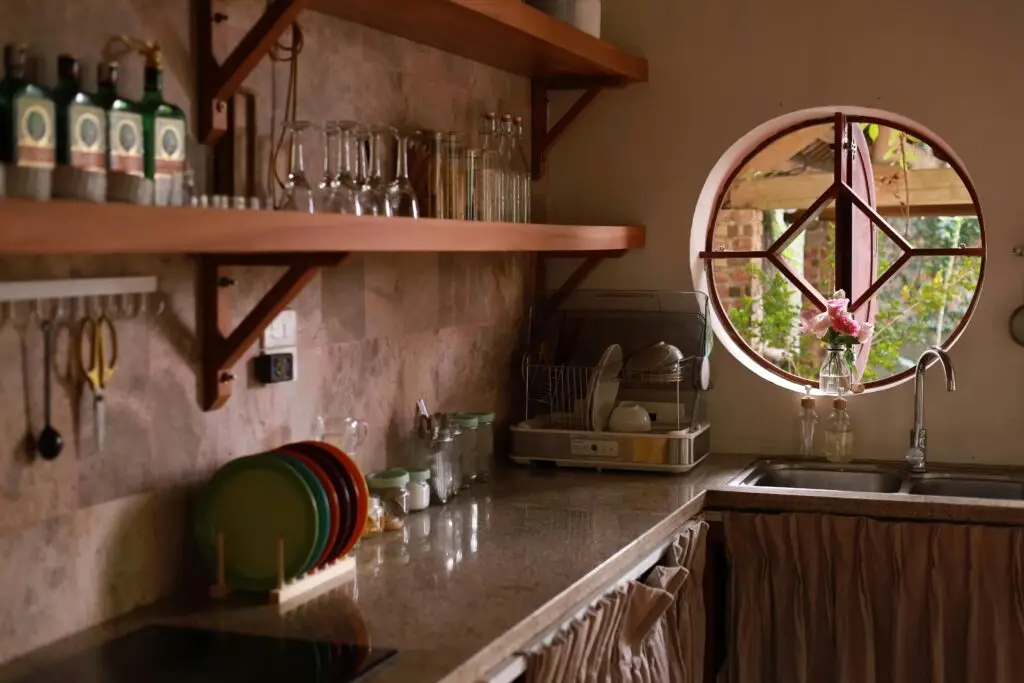
Luxury now shows up in:
- Kitchens designed for real cooking and movement
- Primary suites that feel restorative rather than oversized
- Storage solutions that eliminate clutter entirely
- Spaces that adapt over time instead of locking homeowners into one phase of life
This shift aligns closely with how modern custom homes are being built today, where design decisions are rooted in function first. (Learn more about our Custom Home Building process.)
Why These Trends Matter for Custom Homeowners
The most important takeaway from the home design trends of 2026 is that they prioritize intention over impression. These trends exist because homeowners are thinking more carefully about how their homes function, age, and support daily life.
Custom homes offer the unique opportunity to design without compromise. The trends shaping 2026 take full advantage of that opportunity, emphasizing integration, authenticity, and longevity.
Homes built with these principles aren’t just aligned with the future, but designed to remain relevant long after trends fade.
Looking Ahead
For homeowners building or refining a custom home, understanding these trends early allows for decisions that feel confident rather than reactive. At Roots Builders, this is where thoughtful planning, design, and execution come together, helping homeowners translate long-term design ideas into homes that actually function day to day.
When the time comes to explore how these trends could apply to your own build or remodel, a consultation can help clarify what’s possible and what makes the most sense for your goals. Schedule one with us!